
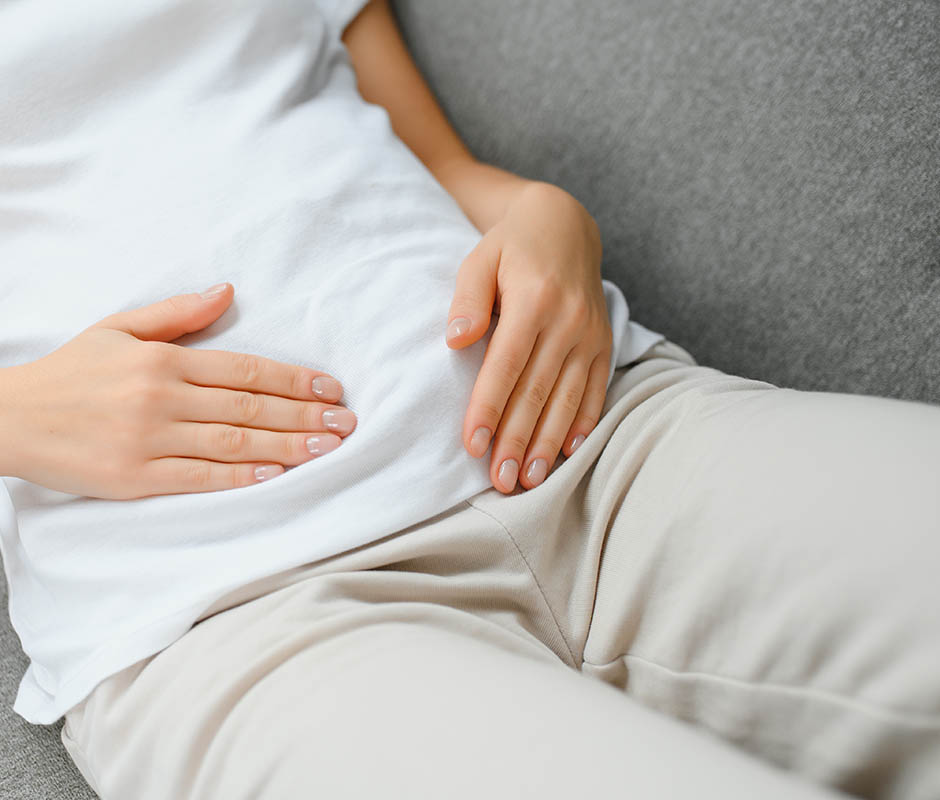
Nutrition for Endometriosis
Nutrition for Endometriosis by Ashleigh Feltham Accredited Practising Dietitian and Accredited Nutritionist
Endometriosis is a chronic inflammatory condition that affects approximately 190 million women worldwide. There are ways to potentially reduce the risk of developing and treating endometriosis. One of these ways is nutrition.
Endometriosis is when the lining of the uterus grows outside the uterus. This reproductive tissue spreads to one or more organs in the body. It is linked to pain during a period, during sex, urination or defecation, causes pelvic pain, altered bowel function and heavy menstrual bleeding.
The cause of this condition is not fully understood. There are suspected links, like being exposed to estrogen, which causes early menstruation and delayed menopause.
A 2023 mini-review research design investigated the role of nutrition in treating and preventing endometriosis. Researchers noted that the hormone estrogen influences the onset of inflammation in endometriosis. There are nutrients that influence how estrogen is produced in the body. Consequently, nutrients may impact the development of – and symptoms associated with – endometriosis.
Factors linked to a reduction of inflammation include:
Plant-Based Foods
Plant-based foods contain many components that help to reduce inflammation. These include dietary fibre and antioxidants. Fibre can help reduce estrogen levels in your body. Antioxidants reduce inflammation. In contrast, eating a lot of red meat promotes a higher level of inflammation in the body.
Edible Seaweed
Seaweed contains a number of components that promote healthy hormone levels, including iodine. Iodine promotes healthy thyroid function. Including seaweed in your diet may assist in regulating estrogen levels. A double-blind research design found that women who consumed a higher amount of seaweed had lower estradiol levels. Estradiol is the primary form of estrogen in your body.
Vitamin D
There are two types of vitamin D: D3 and D2. Vitamin D3 is the more bioavailable form, meaning that vitamin D3 is more easily absorbed into your body.
This fat-soluble vitamin may help reduce your risk of developing endometriosis due to its anti-inflammatory and antioxidant effects. Vitamin D plays many important roles in the body, including the support of normal immune system function. One randomised control trial study found that women who took a vitamin D supplement for 12 weeks had lower C-reactive protein, which is an inflammation marker. These women also reported lower levels of pelvic pain.
The National Health and Medical Research Council recommends men and women aged 19 to 50 have a vitamin D intake of five micrograms per day. Between 51 and 70 years, the adequate intake increases to 10 micrograms per day. From the age of 71 years on, the adequate intake further increases to 15 micrograms per day.
Here is a list of quality food sources of vitamin D.
Seafood
- Sardines, canned, 2 sardines 1.2µg
- Tuna, canned, 85g 1.0µg
- Trout (rainbow), farmed, cooked, 85g 16.2µg
- Salmon (sockeye), cooked, 85g 14.2µg
- Cod liver oil, 1 teaspoon 34µg
Fortified food products
- Cereal
- Bread
- Spreads like butter and margarine
- Plant-based drinks like soy.
Dairy
- Milk, 2% fat, Vit D fortified, 1 cup 2.9µg
- Cheddar cheese, 28g 0.3µg
- Liver, beef, 85g 1.0µg
Egg yolk
- One large egg yolk, 3.8μg
Mushrooms – Mushrooms exposed to UV light provide vitamin D in the form of D2.
- Mushrooms, exposed to UV light, ½ cup 9.2µg
Note that 1 microgram (µg) is equal to 1 international unit (IU).
Vitamins C and E
Vitamin C and E play many important roles in promoting health and wellbeing in your body. These include providing a rich source of antioxidants. Antioxidants help to reduce free radicals, which in excess can cause damage and disease to the cells of your body.
Both vitamins C and E also reduce inflammation in the body. A randomised control trial study with 59 participants found that women with endometriosis who took a supplement of both vitamins C and E had lower levels of inflammation markers and reduced pelvic pain.
Good sources of vitamin C include fruit and vegetables, like strawberries, oranges, apples, mango, broccoli, kale, spinach, capsicums, kiwi fruit and Brussels sprouts. Vitamin E can be found in good amounts in nuts and seeds, in vegetable oils like sunflower and safflower oil, and in seafood.

Take home message
Endometriosis can be a debilitating, chronic inflammatory condition. The good news is that there are ways to help reduce your risk of developing endometriosis and the symptoms associated with this condition. One of these ways is through what you choose to eat.
References:
- Barnard ND, Holtz DN, Schmidt N, Kolipaka S, Hata E, Sutton M, Znayenko-Miller T, Hazen ND, Cobb C, Kahleova H. Nutrition in the prevention and treatment of endometriosis: A review. Front Nutr. 2023 Feb 17;10:1089891. doi: 10.3389/fnut.2023.1089891. PMID: 36875844; PMCID: PMC9983692.
- Nutrient Reference Values for Australia and New Zealand Executive Summary. Australian Government Departments of Health and Ageing National Health and Medical Research Council.