
5 Reasons Why Protein Matters for Women
It would be fair to say that in the 21st century, most women need to be masters of multitasking. Setting aside enough time to eat can be a challenge with a never ending to-do list. One important reason to eat at regular intervals is for your body to get enough of the protein it needs.
Protein is necessary for making and repairing every cell in your body. If you are not getting enough of this macronutrient, your body cannot function at its best. Signs and symptoms of insufficient protein include brittle nails and hair, fatigue and a suboptimal immune system.
Maintaining a Healthy Weight
Protein is a macronutrient that helps you feel fuller for longer. Protein is also necessary for the thermic effect of food (TEF). When you add protein to a meal or a snack it helps to keep your blood sugars lower and give you more sustained energy. This can help you to achieve and maintain a healthy weight.
Putting Your Best Hair, Skin and Nails Forward
Protein is needed to make all the cells in your body, including your skin, hair and nails. When you don’t get enough protein, your nails may get brittle and break. Your hair also breaks and becomes limp. A lack of protein also means a lack of collagen, which will affect the health of your skin. Collagen gives your skin elasticity and plumpness.
Staying Strong
Your muscles need protein. Without enough protein, your muscles ultimately waste away. As we age, the need for more protein increases as your body becomes less effective at using it. This is why protein requirements increase after the age of 65 years.
Having enough muscle is important for function as well as bone health. Your muscles pull on bone when you move thereby stimulating bone building cells, or osteoblasts. Osteoblasts maintain and keep your bones strong. As a result, you are less likely to develop osteoporosis.
Gut Health
For your gut to function optimally, it needs a healthy gut lining. This lining is important not only to help transfer the right substances, but also to keep unwanted compounds out. Without enough protein, your gut lining becomes more prone to leaking out toxins and bacteria. This can lead to leaky gut symptoms, such as an increase in inflammation.
Keeping Your Hormones in Check
We need protein to make hormones. This includes oestrogen, progesterone and thyroid hormones.
Another important hormone that protein helps to make is insulin, the hormone that helps move sugar out of your blood into the cells of your body to maintain enough energy, sustaining you throughout your day. Increased insulin can lead to insulin resistance, leaving you prone to diabetes.
Increased insulin is also a common symptom of polycystic ovarian syndrome. Having optimal insulin sensitivity in your body is also important for fertility.
Life Tips to Get Enough Protein
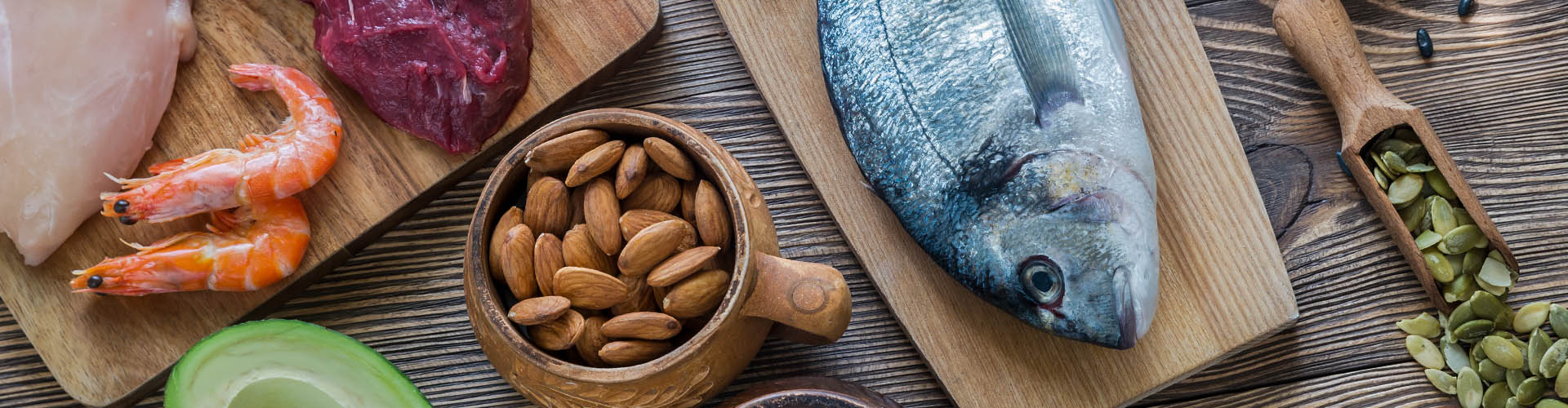
It is essential to eat enough protein at regular intervals throughout the day. Aim to eat every 3-4 hours, including 20-40g of protein in each meal and 15g in each snack. If you follow this strategy, you will easily keep your protein needs met.
Here are some examples of common foods and the protein your body will receive:
2 slices whole grain bread = 12g protein
65g of beef, pork or lamb or 80g chicken = 20-25g protein
30g nuts, seeds and nut/seed butters or almond/peanut butter (10-15 whole nuts or 1-2 tablespoons maximum) = 10-15g protein
1 large egg = 7g protein
100g tuna = 30g protein
100g canned salmon = 15g protein
2 slices of cheese = 10g protein
½ cup of oats = 7g protein
1 cup cooked quinoa = 8g protein
100g hard tofu = 12-15g protein
100g yoghurt = 10g protein
Take home message
A diet that meets all your protein needs will keep your body thriving. Protein helps with hormones, weight management, strength, gut health and gives you the bonus of healthy hair, skin and nails. Taking the time to slow down to eat will also help you to keep up with your life and meet your daily to-do list with much more enjoyment and energy.
References
- Jäger R, Kerksick CM, Campbell BI, Cribb PJ, Wells SD, Skwiat TM, Purpura M, Ziegenfuss TN, Ferrando AA, Arent SM, Smith-Ryan AE, Stout JR, Arciero PJ, Ormsbee MJ, Taylor LW, Wilborn CD, Kalman DS, Kreider RB, Willoughby DS, Hoffman JR, Krzykowski JL, Antonio J. International Society of Sports Nutrition Position Stand: protein and exercise. J Int Soc Sports Nutr. 2017 Jun 20;14:20. doi: 10.1186/s12970-017-0177-8. PMID: 28642676; PMCID: PMC5477153.
- Baum JI, Kim IY, Wolfe RR. Protein Consumption and the Elderly: What Is the Optimal Level of Intake? Nutrients. 2016 Jun 8;8(6):359. doi: 10.3390/nu8060359. PMID: 27338461; PMCID: PMC4924200.